Kurort health walking (climatic terrain walking)
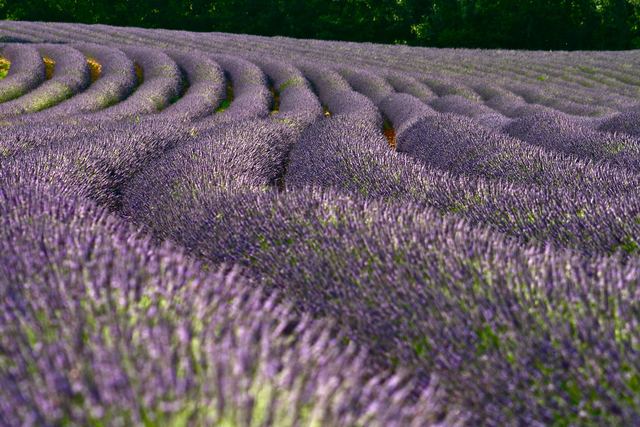
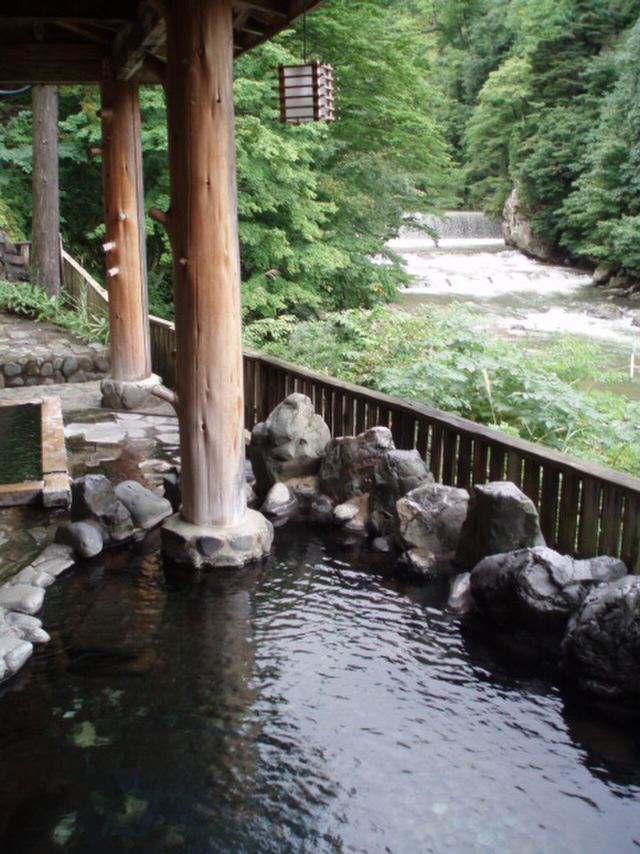 Photo: RickardA · CC0
Overview
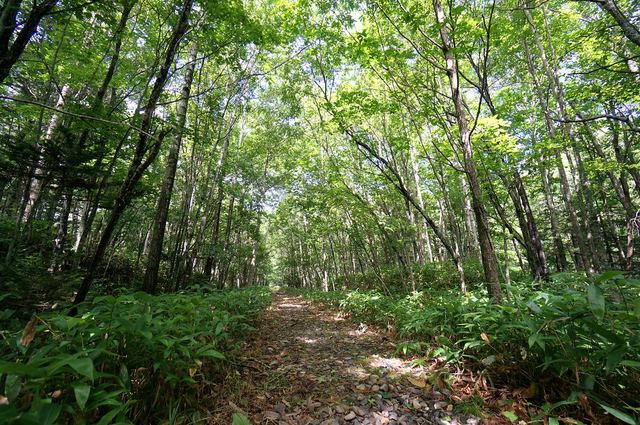
Guided walks on measured forest and hill courses, adapted from German 'climatic terrain therapy': walkers keep a moderate pace, check their pulse and aim to stay slightly cool. Kaminoyama in Yamagata runs walks every day led by guides on courses it says were certified by the University of Munich, and pairs them with its hot springs. Participation is a form of exercise; no medical claims are made here.
Time needed / downtime
About 1.5–2.5 hours per walk; no recovery time. Wear walking shoes and bring water.
Reference price
¥1,000
per person, single trial walk for non-residents in Kaminoyama (4-walk ticket ¥3,000, 1-month pass ¥3,000; residents free; paid to the guide on the day; city page may be from an earlier season)
Source: city.kaminoyama.yamagata.jp ↗Reference range from published sources. Actual cost is set by the facility's quote.
Facilities offering this (17)
Good to know
MHLW health promotion facility certification: three types
Under its Health Promotion Facility Certification Rules, Japan's Ministry of Health, Labour and Welfare certifies three types of facility: exercise-type, onsen-use type (温泉利用型) and onsen program-type (温泉利用プログラム型, added in 2003). An onsen-use facility must be able to provide both hot-spring bathing and exercise safely; 2005 MHLW material lists requirements such as onsen bathing instructors and onsen-use advisers on staff, appropriate ties with a medical institution and guidance for regular users. Since 2016, a bath facility and a nearby exercise facility run as one unit can be certified together. Some certified facilities are also designated as exercise-therapy facilities.
Source: mhlw.go.jp ↗How many onsen facilities are certified, and where to check
The liaison council of onsen-use health promotion facilities, run by the Japan Health Development Foundation, states that 23 facilities nationwide were certified as of 1 January 2026, and lists them by prefecture. MHLW's certification page links to the official lists, and the Japan Health & Sports Federation offers a searchable list. Certification lasts for a fixed term and must be renewed, so confirm a facility's current status before relying on it.
Source: jph-ri.or.jp ↗Indications and contraindications: what onsen notices mean
Japan's Hot Spring Act requires anyone offering hot-spring water for public bathing or drinking to post its composition, contraindications and bathing/drinking cautions. The Ministry of the Environment revised the posting standards on 1 July 2014, its first update in about 32 years. The standards also list 'indications' traditionally associated with therapeutic springs (for example, poor circulation, mild hypertension and stress-related symptoms), but posting these is not required, and they describe general tendencies, not guaranteed effects. General contraindications include the active phase of an illness (especially with fever), active tuberculosis, advanced cancer or severe anaemia with marked weakness, heart or lung disease severe enough to cause breathlessness on slight exertion, severe kidney disease with swelling, bleeding, and acute flare-ups of chronic disease.
Source: env.go.jp ↗Safety for people with heart conditions, high blood pressure or older age
Official bathing cautions based on the Ministry of the Environment standards advise older people, people with high blood pressure or heart disease, and people who have had a stroke to avoid very hot baths of 42°C or more. People with reduced heart or lung function are advised to prefer half-body or partial bathing over full immersion. Avoid bathing right before or after meals and after drinking alcohol, drink a glass of water beforehand, and enter hot water slowly to avoid dizziness. Anyone with a heart condition should ask their own doctor before an onsen trip.
Source: pref.hokkaido.lg.jp ↗Winter bathing accidents: 41°C and 10 minutes
Japan's Consumer Affairs Agency warns that bathing deaths among older people are concentrated from November to April. It recommends warming the changing area first, keeping water at 41°C or below and soaking for no more than 10 minutes, standing up slowly, avoiding baths right after meals, alcohol or medication, and telling a companion before bathing. It notes that 10 minutes at 42°C can raise body temperature to nearly 38°C, which can impair consciousness.
Source: caa.go.jp ↗Medical Stay Visa covers hot-spring recuperation
Japan's Visa for Medical Stay lists 'recuperation including hot-spring recuperation' of 90 days or less among the covered services, alongside treatment and full checkups. The application still runs through a registered guarantor and a receiving medical institution in Japan, so a leisure onsen trip on its own is not the typical use; most short leisure visits use ordinary visa rules. A multiple-entry Medical Stay Visa can be issued when each stay is 90 days or less.
Source: mofa.go.jp ↗Articles
Onsen and wellness in Japan: from tōji to certified health facilities
Many visitors pair a checkup with an onsen stay. Which facilities are government-certified, and what should you know before bathing?
Updated 2026-11-20 · 18 sources · 5 min readFAQ
How much does Kurort health walking (climatic terrain walking) cost?
The reference price is ¥1,000 (per person, single trial walk for non-residents in Kaminoyama (4-walk ticket ¥3,000, 1-month pass ¥3,000; residents free; paid to the guide on the day; city page may be from an earlier season)). The facility's quote is final.
How long does Kurort health walking (climatic terrain walking) take?
About 1.5–2.5 hours per walk; no recovery time. Wear walking shoes and bring water.
Where can I get Kurort health walking (climatic terrain walking) in Japan?
Facilities accepting international patients include Akita Prefectural Health Promotion & Exchange Center Yuforet, Tsunashima Gensen Yukemuri no Sho, Healthy Spa Sunroad (Shimobe no Yu), Numazu-Yugawara Onsen Manyo no Yu, Toyama International Health Plaza (Toyama Kenko Park).