Single dental implant
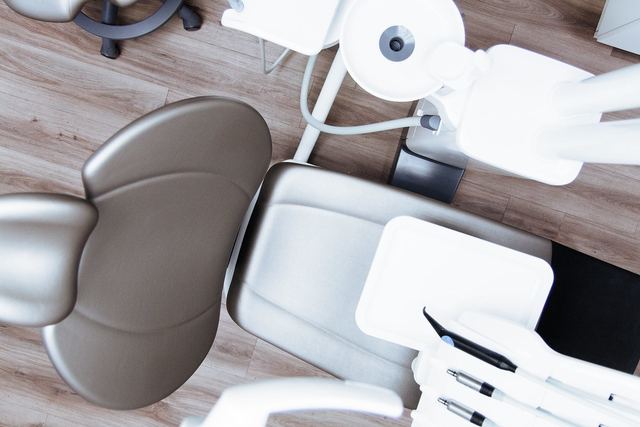 Photo: Homedust · CC BY 2.0
Overview
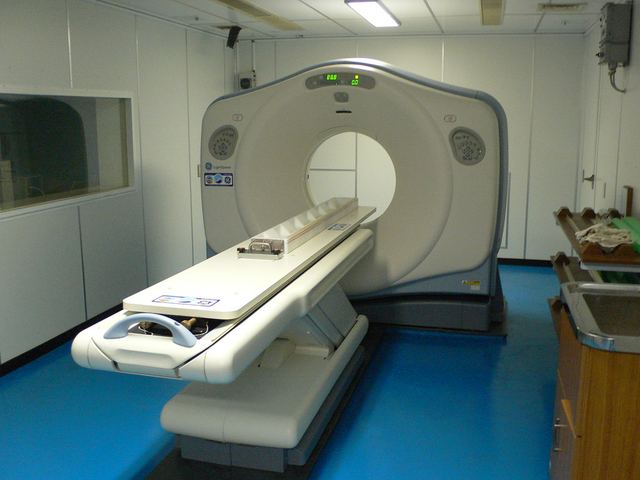
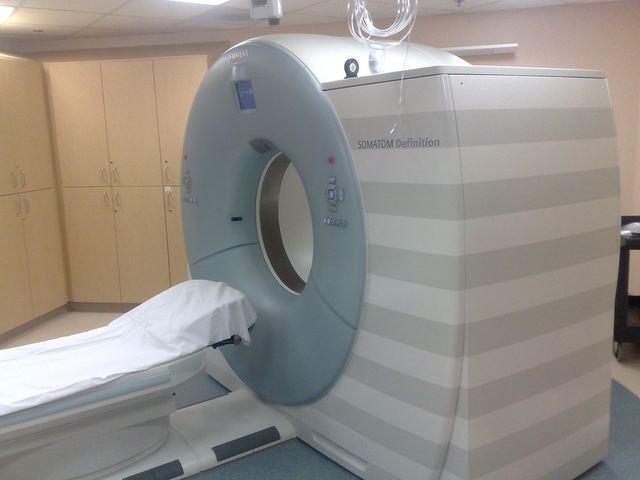
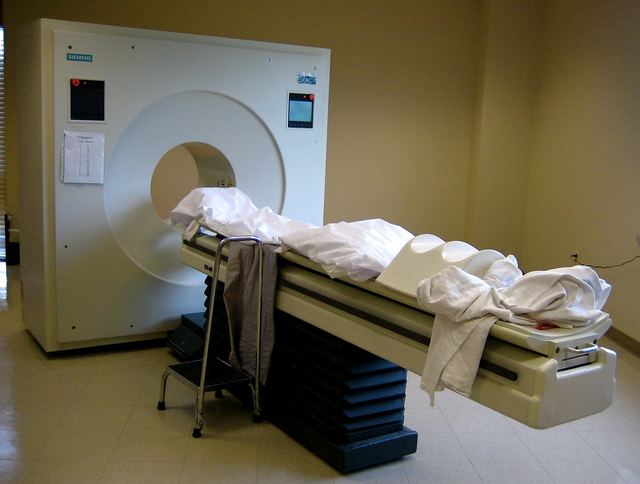
A titanium fixture is placed in the jawbone and later fitted with an abutment and crown. A CT scan is used for planning; bone grafting or a sinus lift may be needed and is charged separately.
Time needed / downtime
Surgery takes about an hour per implant; the crown is usually fitted after a healing period of a few months, so at least two trips are typically needed. Swelling for a few days is common.
Reference price
¥355,000 – ¥486,000
per implant, tax included, at an Osaka-area dental clinic: operation fee ¥55,000 + implant body ¥200,000 + superstructure ¥100,000–231,000 (sum of listed items; bone graft from ¥55,000 and sinus lift ¥165,000–220,000 extra)
Source: en.tokushinkai.or.jp ↗Legal note
Implants are generally self-pay in Japan even for insured residents; visitors pay the clinic's self-pay price. Implant surgery carries surgical risks that the clinic should explain before treatment.
Reference range from published sources. Actual cost is set by the facility's quote.
Facilities offering this (5)
Good to know
Particle therapy prices for visitors without Japanese insurance
Japanese particle therapy centers set separate self-pay fees for overseas patients who are not in Japan's public health insurance. At QST Hospital (Chiba) the English overseas-patient page updated in April 2026 lists ¥5,786,000 (tax included) for a carbon-ion course, while an older QST page shows ¥5,280,000; other care such as exams, admission and follow-up is billed separately at ¥33 per fee point. QST states that overseas patients with lung or breast cancer are not accepted, and enquiries must come through a registered guarantor (medical coordinator or travel agency).
Source: qst.go.jp ↗Fixed-fee structure at a university heavy-ion center
Gunma University Heavy Ion Medical Center lists, for overseas private-pay patients, heavy-ion radiotherapy ¥3,140,000, equipment depreciation ¥314,000 and administration ¥1,511,000 (¥4,965,000 in total), plus variable charges for other medical services. The radiotherapy fee is fixed regardless of the number of sessions. Travel, accommodation and medical-coordinator services are not included, and overseas patients are directed to medical coordinators rather than contacting the hospital directly.
Source: heavy-ion.showa.gunma-u.ac.jp ↗Public insurance coverage depends on the disease
For residents enrolled in Japan's public insurance, carbon-ion treatment fees differ by disease and some conditions are covered by insurance, while others are handled as advanced medical care with the technical fee paid by the patient. These rules do not apply to visitors without Japanese insurance, who pay the facility's self-pay price. Kanagawa Prefecture publishes an explanation for its own cancer center.
Source: pref.kanagawa.jp ↗BNCT approval in Japan
In March 2020 Japan approved an accelerator-based BNCT system and its boron drug for unresectable locally advanced or locally recurrent head and neck cancer, the first such approval for an accelerator system. Clinical BNCT is offered at a small number of centers, and other cancers are treated only within research.
Source: kyoto-u.ac.jp ↗What to prepare before a consultation
University hospitals typically ask overseas patients for a referral letter in the hospital's own format, copies of original test and pathology reports with Japanese (or English) translations issued through the medical institution, and imaging on disc in DICOM format; email attachments or file-sharing links may not be accepted. Copies of passport and visa are also requested, and a patient who neither speaks Japanese nor brings a medical interpreter may be unable to be seen that day.
Source: hosp.juntendo.ac.jp ↗Coordinators, quotations and eligibility review
Many hospitals do not accept first visits applied for directly by overseas patients; a designated medical coordination company communicates with the hospital, arranges payment and interpreters, and helps with the medical-stay visa. Kobe University Hospital, for example, provides a quotation before an eligibility assessment or online second opinion is scheduled, and notes that paying for either does not guarantee acceptance for treatment.
Source: hosp.kobe-u.ac.jp ↗Articles
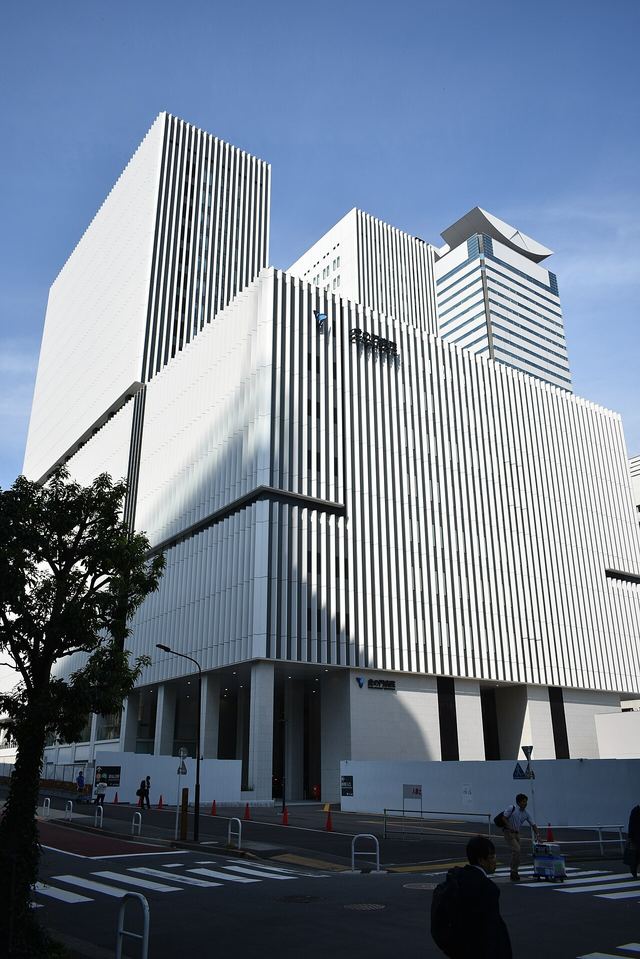
Getting treatment in Japan: second opinions and the Medical Stay Visa
From sending your records to starting treatment: the usual steps and what to prepare.
Updated 2026-11-20 · 26 sources · 6 min readFAQ
How much does Single dental implant cost?
The reference price is ¥355,000 – ¥486,000 (per implant, tax included, at an Osaka-area dental clinic: operation fee ¥55,000 + implant body ¥200,000 + superstructure ¥100,000–231,000 (sum of listed items; bone graft from ¥55,000 and sinus lift ¥165,000–220,000 extra)). The facility's quote is final.
How long does Single dental implant take?
Surgery takes about an hour per implant; the crown is usually fitted after a healing period of a few months, so at least two trips are typically needed. Swelling for a few days is common.
Where can I get Single dental implant in Japan?
Facilities accepting international patients include Tokyo Midtown Dental Clinic, Tokushinkai Minoh Dental Clinic, Boston Orthodontics (Tokyo), Fujimoto International Dental Clinic, Motoazabu Hills Dental Clinic.
Are there legal points to know about Single dental implant?
Implants are generally self-pay in Japan even for insured residents; visitors pay the clinic's self-pay price. Implant surgery carries surgical risks that the clinic should explain before treatment.