
Getting treatment in Japan: second opinions and the Medical Stay Visa
From sending your records to starting treatment: the usual steps and what to prepare.
Updated 2026-11-20
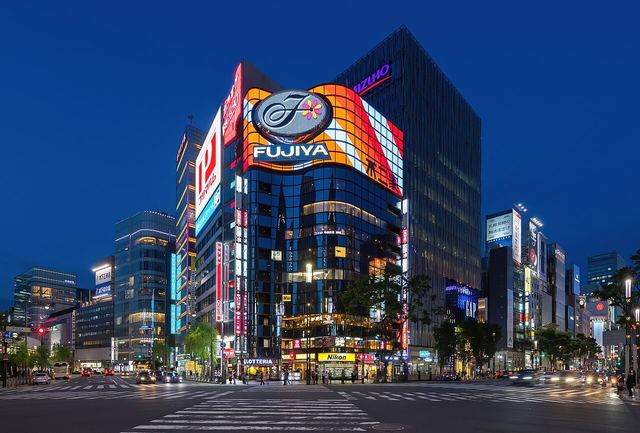
 Photo: 江戸村のとくぞう · CC BY-SA 4.0
Treatment in Japan usually starts with a Japanese doctor reviewing your records and imaging to judge suitability, before you decide to travel. All costs are self-pay for foreign patients, and some hospitals apply different fee standards to uninsured patients.
The usual steps
- Enquiry: share your condition and wishes
- Shortlist suitable hospitals and confirm acceptance
- Provide records, test results and imaging (translated)
- Written second opinion: plan, duration and cost
- Medical Stay Visa (requires a registered guarantor)
- Travel, first visit and treatment, then follow-up at home
Programs you can ask about
| Item | Reference price | Notes |
|---|---|---|
| Carbon-ion (heavy-ion) radiotherapy | ¥5,786,000[1] | per treatment course, self-pay price for overseas patients without Japanese public insurance at one Chiba hospital, tax included (an older page of the same hospital shows ¥5,280,000; exams, admission, follow-up and coordinator fees are extra) |
| Proton beam therapy | ¥3,900,000 – ¥4,800,000[2] | per treatment course, self-pay price for foreign patients without Japanese public insurance at a national cancer center hospital in Chiba, consumption tax extra (the hospital revised self-pay proton prices from 1 October 2024; confirm the current figure) |
| Boron neutron capture therapy (BNCT) | Price on request | |
| Cancer second opinion (in person, in Japan) | ¥33,000 – ¥66,000[3] | per consultation, within 30 minutes (¥33,000) to 30–60 minutes (¥66,000), tax included, at a Tokyo university hospital; ¥11,000 extra without a referral letter |
| Online second opinion from overseas | ¥110,000[4] | per consultation, including interpreter, non-refundable, at a national medical center in Tokyo |
| ICL (implantable collamer lens) | ¥407,000 – ¥517,000[5] | both eyes, tax included, at a nationwide refractive-surgery clinic chain from 1 July 2026: ¥407,000 under −4D, ¥110,000 more at −4D or stronger; toric (astigmatism) lenses add ¥100,000 |
| LASIK | ¥341,000 – ¥371,000[6] | both eyes, tax included, at a Nagoya eye clinic: surgery ¥341,000; about ¥371,000 including examination and medication fees |
| SMILE (small-incision lenticule extraction) | Price on request | |
| Cataract surgery (standard monofocal lens) | ¥133,000 – ¥140,000[7] | per eye, full fee before insurance, at a Tokyo eye clinic (visitors without Japanese public insurance pay the full fee) |
| Cataract surgery with multifocal (premium) lens | ¥220,000 – ¥276,100[8] | per eye, lens-related 'selected medical care' charge at an Osaka university hospital (2026 notice); for patients with Japanese insurance the surgery itself is billed separately under insurance, while visitors without it pay the surgery in full as well |
| Single dental implant | ¥355,000 – ¥486,000[9] | per implant, tax included, at an Osaka-area dental clinic: operation fee ¥55,000 + implant body ¥200,000 + superstructure ¥100,000–231,000 (sum of listed items; bone graft from ¥55,000 and sinus lift ¥165,000–220,000 extra) |
| Ceramic crowns & veneers (aesthetic dentistry) | ¥176,000[10] | starting price ('from') per ceramic restoration, tax included, at a Roppongi dental clinic; treatment fees are charged separately |
| Orthodontic treatment with fixed braces | ¥600,000 – ¥900,000[11] | per treatment course at a Tokyo orthodontic clinic; adjustment fee ¥5,500 per visit and retainers ¥11,000 each are extra |
| Clear aligner orthodontics | ¥460,000 – ¥920,000[11] | per treatment course, tax included, at a Tokyo orthodontic clinic |
| HIFU skin tightening | ¥200,000 – ¥300,000[12] | per session, tax included, for one premium HIFU program at a Japanese clinic: a single area such as under the chin or cheeks (¥200,000) to full face (¥300,000); other clinics and devices are priced very differently |
| Botulinum toxin injections | ¥770[13] | per unit of BOTOX VISTA at a Japanese clinic; a separate treatment fee applies (¥24,200 in one listing, e.g. about ¥28,820 in total for 6 units between the eyebrows); other listings on the same site show different rates |
| Hyaluronic acid filler | Price on request | |
| Picosecond laser toning / spot removal | Price on request | |
| Total knee replacement | Price on request | |
| Total hip replacement | Price on request | |
| ACL reconstruction (arthroscopic) | Price on request | |
| PRP injection for knee osteoarthritis | Price on request |
Reference range from published sources. Actual cost is set by the facility's quote.
Visa and cost notes
Medical Stay Visa: who qualifies
Japan's Visa for Medical Stay is for foreign nationals who come to receive medical services at a Japanese medical institution. It covers not only treatment but also full medical check-ups (Ningen Dock), examinations, dental care and recuperation such as hot-spring therapy (90 days or less). Applicants need a certificate from the receiving institution and a letter from a registered guarantor, and apply at a Japanese embassy or consulate. A multiple-entry visa can be issued when each stay is 90 days or less; stays over 90 days require hospitalization and a Certificate of Eligibility. Stay limits on MOFA's different language pages differ, so check the current page.[14]
Medical Stay Visa: accompanying persons
Family members and, where needed, non-family members may accompany the patient and receive the same type of visa. Accompanying persons may not work or engage in paid activities in Japan, and submit a reduced set of documents (passport, application form, photo, the hospital certificate/guarantor letter and proof of identity).[14]
Registered guarantors (身元保証機関) and how they are registered
A Medical Stay Visa application must go through a registered guarantor. Travel agencies registered under the Travel Agency Act are screened and registered by the Japan Tourism Agency and MOFA (List A); medical coordinators and other non-travel-agency companies are screened and registered by METI and MOFA (List B). Both lists are published on MOFA's website. The guarantor confirms the patient's plan with the hospital, coordinates medical-fee arrangements and helps ensure compliance with Japanese law during the stay.[15]
Number of registered guarantors
According to a Japan Economic Foundation report, as of September 2025 there were 217 registered guarantor companies for the Medical Stay Visa: 77 travel agencies and 140 non-travel-agency companies. Patients should check that any agent they use appears on MOFA's current lists.[16]
AMTAC: accredited medical travel assistance companies
Separately from visa guarantor registration, Medical Excellence JAPAN (MEJ) accredits medical travel support companies as AMTAC. A September 2025 report listed four fully accredited companies (including JTB) and two provisionally accredited ones, with travel-agency registration among the requirements. Arranging travel for patients generally requires compliance with the Travel Agency Act.[17]
Particle therapy prices for visitors without Japanese insurance
Japanese particle therapy centers set separate self-pay fees for overseas patients who are not in Japan's public health insurance. At QST Hospital (Chiba) the English overseas-patient page updated in April 2026 lists ¥5,786,000 (tax included) for a carbon-ion course, while an older QST page shows ¥5,280,000; other care such as exams, admission and follow-up is billed separately at ¥33 per fee point. QST states that overseas patients with lung or breast cancer are not accepted, and enquiries must come through a registered guarantor (medical coordinator or travel agency).[1]
Fixed-fee structure at a university heavy-ion center
Gunma University Heavy Ion Medical Center lists, for overseas private-pay patients, heavy-ion radiotherapy ¥3,140,000, equipment depreciation ¥314,000 and administration ¥1,511,000 (¥4,965,000 in total), plus variable charges for other medical services. The radiotherapy fee is fixed regardless of the number of sessions. Travel, accommodation and medical-coordinator services are not included, and overseas patients are directed to medical coordinators rather than contacting the hospital directly.[18]
Public insurance coverage depends on the disease
For residents enrolled in Japan's public insurance, carbon-ion treatment fees differ by disease and some conditions are covered by insurance, while others are handled as advanced medical care with the technical fee paid by the patient. These rules do not apply to visitors without Japanese insurance, who pay the facility's self-pay price. Kanagawa Prefecture publishes an explanation for its own cancer center.[19]
BNCT approval in Japan
In March 2020 Japan approved an accelerator-based BNCT system and its boron drug for unresectable locally advanced or locally recurrent head and neck cancer, the first such approval for an accelerator system. Clinical BNCT is offered at a small number of centers, and other cancers are treated only within research.[20]
What to prepare before a consultation
University hospitals typically ask overseas patients for a referral letter in the hospital's own format, copies of original test and pathology reports with Japanese (or English) translations issued through the medical institution, and imaging on disc in DICOM format; email attachments or file-sharing links may not be accepted. Copies of passport and visa are also requested, and a patient who neither speaks Japanese nor brings a medical interpreter may be unable to be seen that day.[21]
Coordinators, quotations and eligibility review
Many hospitals do not accept first visits applied for directly by overseas patients; a designated medical coordination company communicates with the hospital, arranges payment and interpreters, and helps with the medical-stay visa. Kobe University Hospital, for example, provides a quotation before an eligibility assessment or online second opinion is scheduled, and notes that paying for either does not guarantee acceptance for treatment.[22]
Hospitals set visitor prices themselves
MHLW materials state that care for foreign visitors is not social-insurance care but free (self-pay) medical care, so each institution may set its own prices. MHLW has published a pricing-calculation manual for this purpose. As a result the same procedure can cost very different amounts at different hospitals, and a written estimate is advisable.[23]
Consumer warnings on cosmetic medicine
Japan's National Consumer Affairs Center reports a sharp rise in consultations about cosmetic medical services (6,281 in FY2023 and 10,744 in FY2024 as of 31 May 2026). Common problems include pressure to sign and be treated on the same day after a 'counseling only' visit, and contracts far above the advertised price. It advises not deciding on the spot, getting the risks and side effects explained by the doctor, and contacting a consumer center if problems arise.[24]
Government review of cosmetic medicine (2024)
An MHLW expert panel on the appropriate practice of cosmetic medicine compiled a report on 22 November 2024. It focused on care quality, illegal or suspected-illegal cases and inappropriate contracts, and proposed a reporting-and-publication system for clinics, notices clarifying the relevant laws, guidelines by medical societies and stronger enforcement of medical-advertising rules.[25]
Rules for clinic ads and before/after photos
Under MHLW medical-advertising guidelines, before-and-after photos may be used only with a detailed explanation of the treatment, its cost, and its main risks and side effects; ads for self-pay treatment must also present risk information clearly, and stressing low prices or campaign discounts without explaining the treatment can be problematic. This dataset therefore carries no before/after images or testimonials.[26]
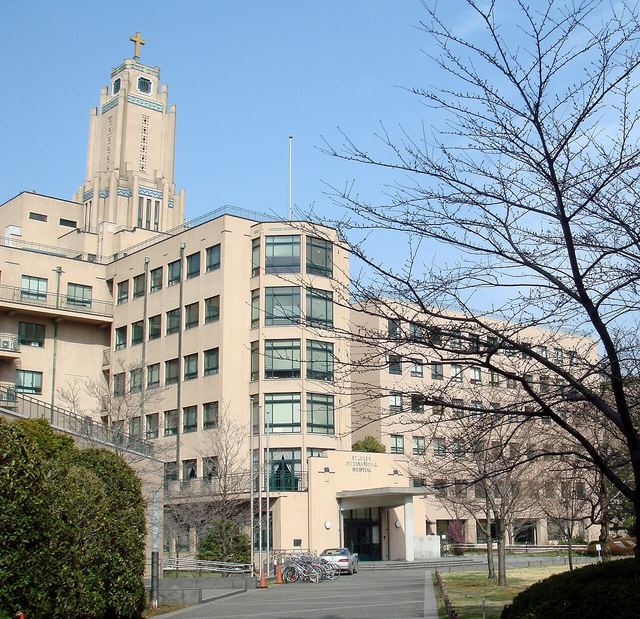
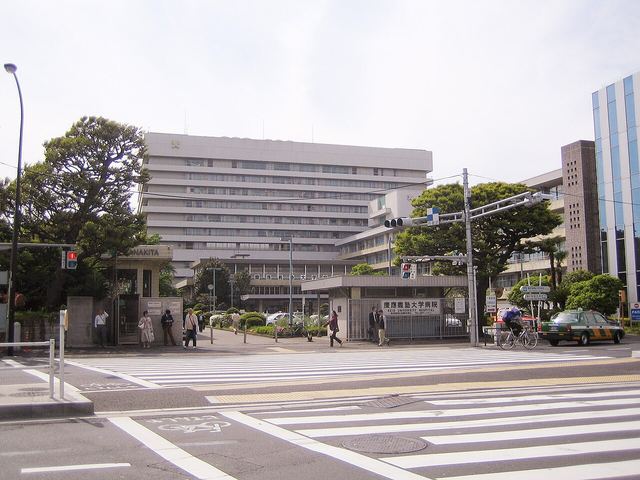
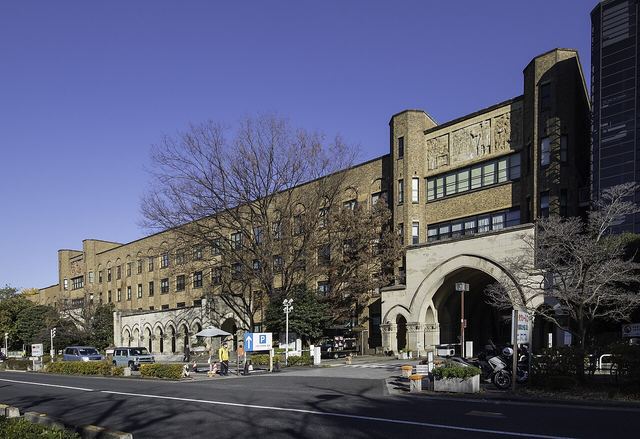
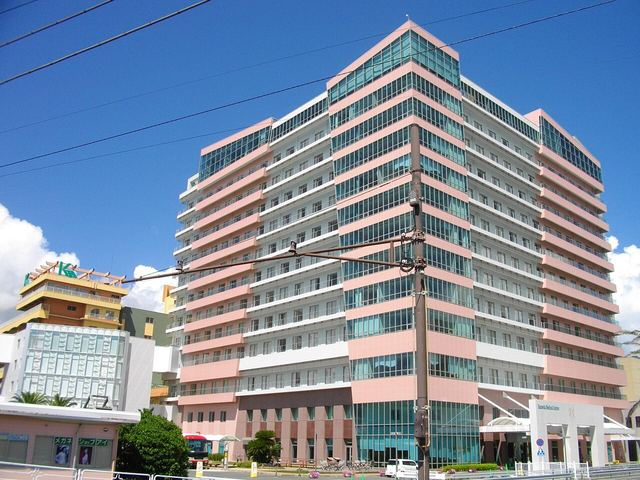
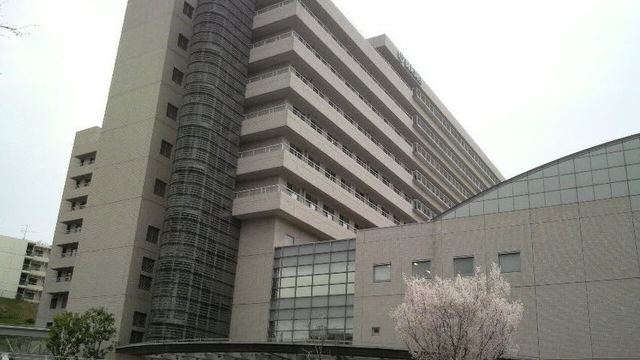
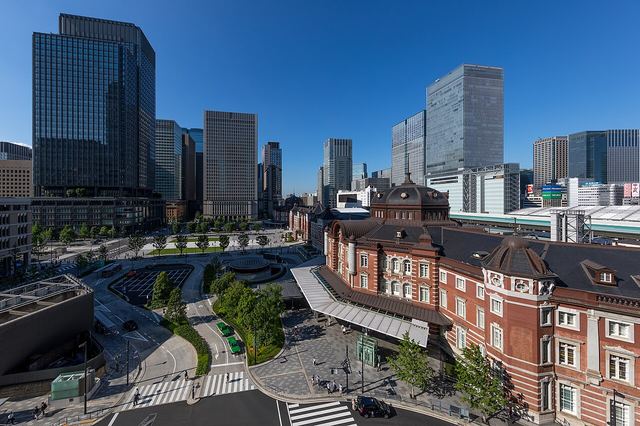
Hospitals that accept international patients






FAQ
How much does Carbon-ion (heavy-ion) radiotherapy cost?
The reference price is ¥5,786,000 (per treatment course, self-pay price for overseas patients without Japanese public insurance at one Chiba hospital, tax included (an older page of the same hospital shows ¥5,280,000; exams, admission, follow-up and coordinator fees are extra)). The facility's quote is final.
How much does Proton beam therapy cost?
The reference price is ¥3,900,000 – ¥4,800,000 (per treatment course, self-pay price for foreign patients without Japanese public insurance at a national cancer center hospital in Chiba, consumption tax extra (the hospital revised self-pay proton prices from 1 October 2024; confirm the current figure)). The facility's quote is final.
How much does Cancer second opinion (in person, in Japan) cost?
The reference price is ¥33,000 – ¥66,000 (per consultation, within 30 minutes (¥33,000) to 30–60 minutes (¥66,000), tax included, at a Tokyo university hospital; ¥11,000 extra without a referral letter). The facility's quote is final.
How much does Online second opinion from overseas cost?
The reference price is ¥110,000 (per consultation, including interpreter, non-refundable, at a national medical center in Tokyo). The facility's quote is final.
How much does ICL (implantable collamer lens) cost?
The reference price is ¥407,000 – ¥517,000 (both eyes, tax included, at a nationwide refractive-surgery clinic chain from 1 July 2026: ¥407,000 under −4D, ¥110,000 more at −4D or stronger; toric (astigmatism) lenses add ¥100,000). The facility's quote is final.
How much does LASIK cost?
The reference price is ¥341,000 – ¥371,000 (both eyes, tax included, at a Nagoya eye clinic: surgery ¥341,000; about ¥371,000 including examination and medication fees). The facility's quote is final.
How much does Cataract surgery (standard monofocal lens) cost?
The reference price is ¥133,000 – ¥140,000 (per eye, full fee before insurance, at a Tokyo eye clinic (visitors without Japanese public insurance pay the full fee)). The facility's quote is final.
How much does Cataract surgery with multifocal (premium) lens cost?
The reference price is ¥220,000 – ¥276,100 (per eye, lens-related 'selected medical care' charge at an Osaka university hospital (2026 notice); for patients with Japanese insurance the surgery itself is billed separately under insurance, while visitors without it pay the surgery in full as well). The facility's quote is final.
Sources
- https://www.qst.go.jp/site/hospital-en/abroad.html
- https://www.ncc.go.jp/jp/ncce/d001/consultation/foreign_patients/index.html
- https://hosp.juntendo.ac.jp/ihc/second-opinion_en.html
- https://hosp.ncgm.go.jp/en/icc/on_line.html
- https://prtimes.jp/main/html/rd/p/000000001.000184478.html
- https://en.nagoyaeyeclinic.or.jp/lasik/
- https://ikec.jp/english/cataract/about-surgical-cost
- https://ns1.hosp.med.osaka-u.ac.jp/outline/files/keiji_05_20260201.pdf
- https://en.tokushinkai.or.jp/minoh/subjects/implant/
- https://www.tokyomidtown-mc.jp/en/dental/price/
- https://boston-hanarabi.tokyo/en/
- https://www.hiro-clinic.or.jp/beauty/price/sagging/?lang=en
- https://biancaclinic.jp/en/botox/
- https://www.mofa.go.jp/j_info/visit/visa/medical_stay1.html
- https://www.meti.go.jp/policy/mono_info_service/healthcare/iryou/downloadfiles/pdf/180801_toriatsukaigaiyo.pdf
- https://www.jef.or.jp/journal/pdf/264th_Cover_Story_07.pdf
- https://www.travelvoice.jp/20250903-158088
- https://heavy-ion.showa.gunma-u.ac.jp/en/pdf/panf001_en.pdf
- https://www.pref.kanagawa.jp/docs/w8d/gantaisaku/0401jyuuryuusi.html
- https://www.kyoto-u.ac.jp/ja/research-news/2020-04-02
- https://hosp.juntendo.ac.jp/ihc/flow_en.html
- https://www.hosp.kobe-u.ac.jp/imcc/about-us/
- https://www.mhlw.go.jp/content/10800000/000477607.pdf
- https://www.kokusen.go.jp/soudan_topics/data/biyo.html
- https://www.mhlw.go.jp/content/10801000/001341000.pdf
- https://www.city.kobe.lg.jp/documents/60037/iryoukoukokukiseinojireikaisetushodai5ban.pdf
Articles

Egg freezing in Japan: costs, steps and the limits to know
Single women can freeze eggs in Japan — but how you can use them later matters more than how you freeze them. Published prices, steps and the rules in Japan and China, in one place.
Updated 2026-11-20 · 26 sources · 9 min read
Injections in Japan: vaccines, IV drips and regenerative medicine
The 9-valent HPV vaccine, high-dose vitamin C drips, stem cells — all are 'injections', but their legal status in Japan is very different.
Updated 2026-11-20 · 5 sources · 2 min read
Ningen Dock and PET-CT: how health checkups in Japan work
From half-day packages to two-day premium courses: how to choose, what it costs, and what happens on the day.
Updated 2026-11-20 · 12 sources · 3 min read