Mesenchymal stem cell therapy (autologous)
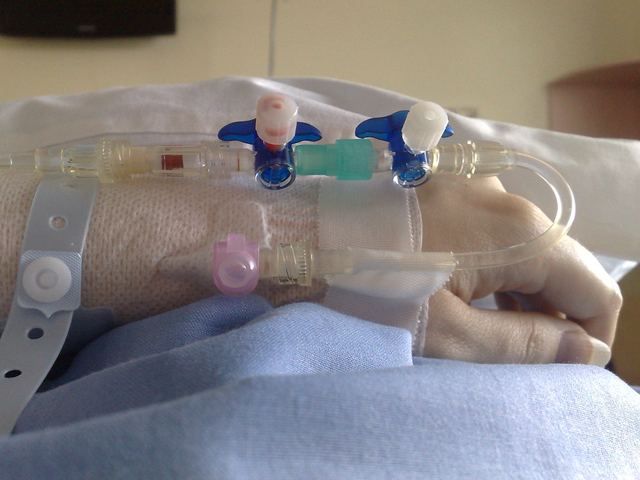 Photo: Miia Sample · CC BY-SA 2.0
Overview
Your own fat tissue is harvested, mesenchymal stem cells are cultured in a cell-processing facility, and the cells are injected locally (e.g. joints, tendons) or given by IV. Offered as self-pay care for conditions such as osteoarthritis or ligament/tendon injury; evidence varies by condition.
Time needed / downtime
At least two visits several weeks apart (fat harvest, then administration after culture); minor soreness at the harvest site for a few days.
Reference price
¥1,100,000
per treatment, tax included, autologous adipose-derived stem cells for ligament/tendon injury at an Osaka hospital (other indications priced differently)
Source: iseikaihp.or.jp ↗Legal note
Regulated under the Act on the Safety of Regenerative Medicine. Somatic stem cell therapy is generally Class II: the clinic must have its provision plan reviewed by a Specially Certified Regenerative Medicine Committee and submitted to the Minister of Health, Labour and Welfare before treating, and cells must be processed in a licensed/notified facility. Ask for the plan number and check it in MHLW's public database.
Reference range from published sources. Actual cost is set by the facility's quote.
Facilities offering this (4)
Good to know
Medical Stay Visa: who qualifies
Japan's Visa for Medical Stay is for foreign nationals who come to receive medical services at a Japanese medical institution. It covers not only treatment but also full medical check-ups (Ningen Dock), examinations, dental care and recuperation such as hot-spring therapy (90 days or less). Applicants need a certificate from the receiving institution and a letter from a registered guarantor, and apply at a Japanese embassy or consulate. A multiple-entry visa can be issued when each stay is 90 days or less; stays over 90 days require hospitalization and a Certificate of Eligibility. Stay limits on MOFA's different language pages differ, so check the current page.
Source: mofa.go.jp ↗Medical Stay Visa: accompanying persons
Family members and, where needed, non-family members may accompany the patient and receive the same type of visa. Accompanying persons may not work or engage in paid activities in Japan, and submit a reduced set of documents (passport, application form, photo, the hospital certificate/guarantor letter and proof of identity).
Source: mofa.go.jp ↗Registered guarantors (身元保証機関) and how they are registered
A Medical Stay Visa application must go through a registered guarantor. Travel agencies registered under the Travel Agency Act are screened and registered by the Japan Tourism Agency and MOFA (List A); medical coordinators and other non-travel-agency companies are screened and registered by METI and MOFA (List B). Both lists are published on MOFA's website. The guarantor confirms the patient's plan with the hospital, coordinates medical-fee arrangements and helps ensure compliance with Japanese law during the stay.
Source: meti.go.jp ↗Number of registered guarantors
According to a Japan Economic Foundation report, as of September 2025 there were 217 registered guarantor companies for the Medical Stay Visa: 77 travel agencies and 140 non-travel-agency companies. Patients should check that any agent they use appears on MOFA's current lists.
Source: jef.or.jp ↗AMTAC: accredited medical travel assistance companies
Separately from visa guarantor registration, Medical Excellence JAPAN (MEJ) accredits medical travel support companies as AMTAC. A September 2025 report listed four fully accredited companies (including JTB) and two provisionally accredited ones, with travel-agency registration among the requirements. Arranging travel for patients generally requires compliance with the Travel Agency Act.
Source: travelvoice.jp ↗Medical advertising rules cover websites
Under Japan's Medical Care Act and MHLW's Medical Advertising Guidelines (latest revision dated 30 March 2026), content counts as an advertisement if it is intended to attract patients and identifies a specific provider. Clinic websites are covered. Third-party sites such as review portals are generally not treated as advertising unless a clinic pays for or otherwise arranges the listing – so paid listings, affiliate fees or referral commissions can bring an aggregator's pages under the rules.
Source: mhlw.go.jp ↗Articles
Injections in Japan: vaccines, IV drips and regenerative medicine
The 9-valent HPV vaccine, high-dose vitamin C drips, stem cells — all are 'injections', but their legal status in Japan is very different.
Updated 2026-11-20 · 5 sources · 2 min readFAQ
How much does Mesenchymal stem cell therapy (autologous) cost?
The reference price is ¥1,100,000 (per treatment, tax included, autologous adipose-derived stem cells for ligament/tendon injury at an Osaka hospital (other indications priced differently)). The facility's quote is final.
How long does Mesenchymal stem cell therapy (autologous) take?
At least two visits several weeks apart (fat harvest, then administration after culture); minor soreness at the harvest site for a few days.
Where can I get Mesenchymal stem cell therapy (autologous) in Japan?
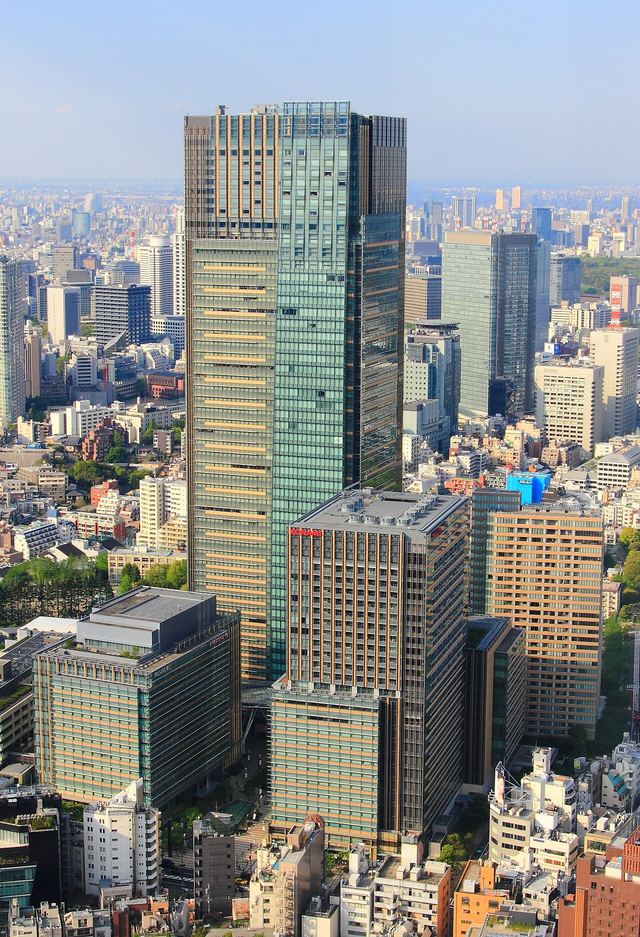
Facilities accepting international patients include Tokyo Midtown Clinic / Medical Center, Tokyo Business Clinic (Yaesu North Exit), Bianca Clinic (Ginza / Omotesando), Iseikai International General Hospital.
Are there legal points to know about Mesenchymal stem cell therapy (autologous)?
Regulated under the Act on the Safety of Regenerative Medicine. Somatic stem cell therapy is generally Class II: the clinic must have its provision plan reviewed by a Specially Certified Regenerative Medicine Committee and submitted to the Minister of Health, Labour and Welfare before treating, and cells must be processed in a licensed/notified facility. Ask for the plan number and check it in MHLW's public database.