Public postpartum care center (2 weeks)
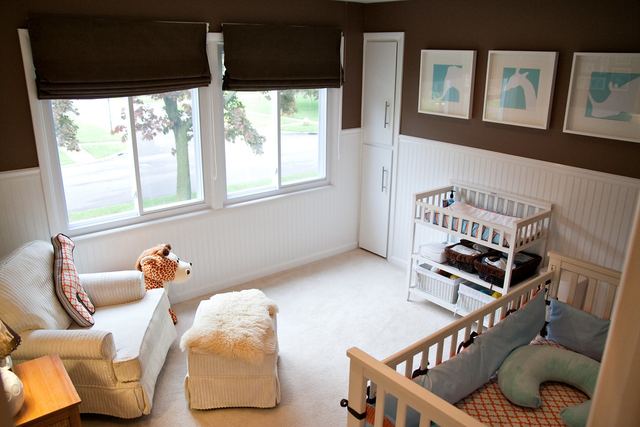
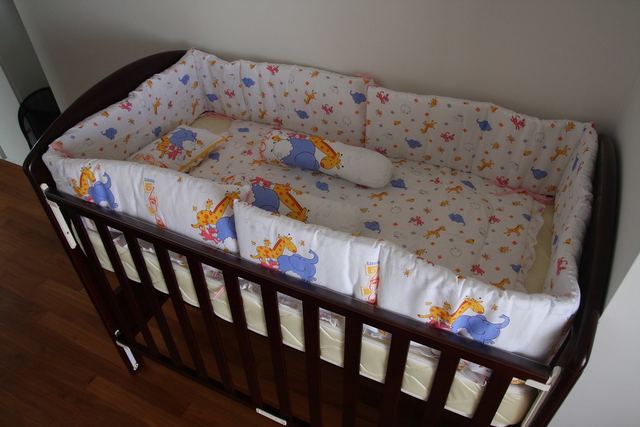 Photo: jhecking · CC BY 2.0
Overview
Centers run by local governments at lower fees, with priority for low-income, multicultural, disabled and multiple-child families. There are only a few dozen nationwide and places are limited.
Time needed / downtime
Typically 2 weeks.
Reference price
₩2,090,000
per 2-week stay at Seoul's district-run public center in Songpa-gu, as reported in 2023 (may have changed)
Source: asiae.co.kr ↗Legal note
Eligibility and priority are set by each local government and generally require local residence.
Reference range from published sources. Actual cost is set by the facility's quote.
Facilities offering this (8)


Good to know
Postpartum care centers must be reported to the local government
Under Korea's Mother and Child Health Act, a postpartum care business (sanhujoeop) is a reporting (singo) business rather than a licensed medical institution: the operator files with the city, county or district head and must meet staffing and facility standards set by ministry ordinance, including nurses or nursing assistants on duty around the clock in the newborn room. Operating without filing is a criminal offence.
Source: ansan.go.kr ↗Infection-control duties and strict liability
Operators must keep health records for mothers and infants, follow ministry infection-prevention measures and safety rules, have staff vaccinated against influenza each year, and, if infection or illness is suspected, move the mother or baby to a medical institution immediately and report the transfer to the local public health center. The Act also makes the operator liable for damage caused by infections acquired at the center.
Source: lawtalk.co.kr ↗Fees and refund rules must be published
Since 2016 postpartum care centers must post their service items, fee structure and refund rules for early cancellation on the premises and on their website; breaches carry a fine of up to ₩2 million. The Ministry of Health and Welfare publishes the fees of every center twice a year.
Source: m.easylaw.go.kr ↗Most Korean mothers use a postpartum care center
In the Ministry of Health and Welfare's 2024 postpartum care survey of 3,221 women who gave birth in 2023, 85.5% used a postpartum care center, staying 12.6 days on average and spending an average of ₩2.865 million.
Source: biz.newdaily.co.kr ↗Health insurance and benefits for foreign residents
Postpartum care center fees are not covered by National Health Insurance. Foreign nationals who stay in Korea for six months or more must enroll in NHI, and since 3 April 2024 most dependants of foreigners also need six months' residence before they can be covered (spouses and children under 19 are exempt). Short-term visitors are outside NHI and pay all birth and postpartum costs themselves.
Source: koreatimes.co.kr ↗Status of stay for a baby born in Korea
A foreign baby born in Korea who will remain in the country must be granted a status of stay within 30 days of birth, through the local immigration office (Immigration Act).
Source: sb.go.kr ↗Articles

Korea's postpartum care centers (sanhujoriwon): a guide
Korean postpartum centers are registered and regulated by law. Facilities that accept foreign mothers, price ranges and what to check.
Updated 2026-11-20 · 11 sources · 3 min readFAQ
How much does Public postpartum care center (2 weeks) cost?
The reference price is ₩2,090,000 (per 2-week stay at Seoul's district-run public center in Songpa-gu, as reported in 2023 (may have changed)). The facility's quote is final.
How long does Public postpartum care center (2 weeks) take?
Typically 2 weeks.
Where can I get Public postpartum care center (2 weeks) in Korea?
Facilities accepting international patients include CHA Bundang Medical Center Post Natal Care Center, CHA Ilsan Medical Center Postpartum Care Center, Mommy Camp Postpartum Care Center, Palace Postpartum Care Center, Le Verso Postpartum Care Center.
Are there legal points to know about Public postpartum care center (2 weeks)?
Eligibility and priority are set by each local government and generally require local residence.