
Korea's postpartum care centers (sanhujoriwon): a guide
Korean postpartum centers are registered and regulated by law. Facilities that accept foreign mothers, price ranges and what to check.
Updated 2026-11-20
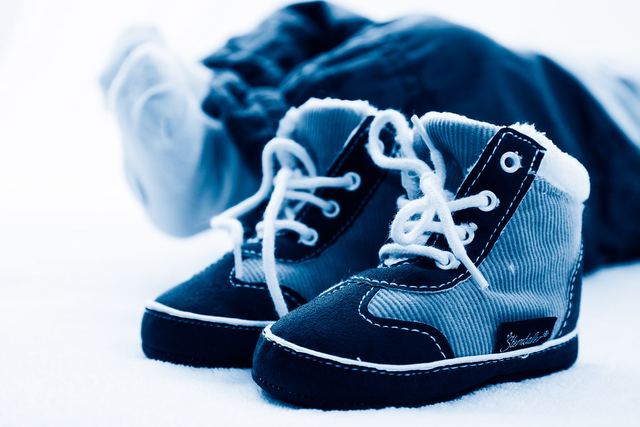 Photo: _-0-_ · CC BY 2.0
Korean postpartum centers (sanhujoriwon) are widespread, offering mother-and-baby stays, newborn care, meals and recovery programs, and are regulated under the Mother and Child Health Act. Check registration, prices and infection-control measures before booking.
Services and reference prices
| Item | Reference price | Notes |
|---|---|---|
| Postpartum care center stay, standard room (2 weeks) | ₩3,720,000 – ₩4,780,000[1] | per 2-week stay, standard room: national average ₩3.72 million across 460 centers (Ministry of Health and Welfare, second half of 2025) to Seoul private-center average ₩4.78 million (Seoul survey of 110 centers, 2024); individual standard rooms ranged up to ₩17 million |
| Postpartum care center stay, special / premium room (2 weeks) | ₩5,430,000 – ₩50,400,000[1] | per 2-week stay, premium room: national average ₩5.43 million across 368 centers to the highest listed premium room at ₩50.4 million (Ministry of Health and Welfare data, second half of 2025) |
| Seoul safe-type postpartum care center (public–private, 2 weeks) | ₩2,500,000 – ₩3,900,000[2] | per 2-week stay: standard fee ₩3.9 million, of which the city pays ₩1.4 million so a general-priority mother pays ₩2.5 million (lower shares for priority groups) |
| Public postpartum care center (2 weeks) | ₩2,090,000[3] | per 2-week stay at Seoul's district-run public center in Songpa-gu, as reported in 2023 (may have changed) |
| Hospital-affiliated postpartum care center | Price on request | |
| Postpartum home helper (maternal and newborn health care service) | Price on request |
Reference range from published sources. Actual cost is set by the facility's quote.
Rules and what to know
Postpartum care centers must be reported to the local government
Under Korea's Mother and Child Health Act, a postpartum care business (sanhujoeop) is a reporting (singo) business rather than a licensed medical institution: the operator files with the city, county or district head and must meet staffing and facility standards set by ministry ordinance, including nurses or nursing assistants on duty around the clock in the newborn room. Operating without filing is a criminal offence.[4]
Infection-control duties and strict liability
Operators must keep health records for mothers and infants, follow ministry infection-prevention measures and safety rules, have staff vaccinated against influenza each year, and, if infection or illness is suspected, move the mother or baby to a medical institution immediately and report the transfer to the local public health center. The Act also makes the operator liable for damage caused by infections acquired at the center.[5]
Fees and refund rules must be published
Since 2016 postpartum care centers must post their service items, fee structure and refund rules for early cancellation on the premises and on their website; breaches carry a fine of up to ₩2 million. The Ministry of Health and Welfare publishes the fees of every center twice a year.[6]
Most Korean mothers use a postpartum care center
In the Ministry of Health and Welfare's 2024 postpartum care survey of 3,221 women who gave birth in 2023, 85.5% used a postpartum care center, staying 12.6 days on average and spending an average of ₩2.865 million.[7]
Health insurance and benefits for foreign residents
Postpartum care center fees are not covered by National Health Insurance. Foreign nationals who stay in Korea for six months or more must enroll in NHI, and since 3 April 2024 most dependants of foreigners also need six months' residence before they can be covered (spouses and children under 19 are exempt). Short-term visitors are outside NHI and pay all birth and postpartum costs themselves.[8]
Status of stay for a baby born in Korea
A foreign baby born in Korea who will remain in the country must be granted a status of stay within 30 days of birth, through the local immigration office (Immigration Act).[9]
Birth registration of foreign children: 2026 court ruling
Korea's family-relations registration law covers only Korean nationals, so births of foreign children in Korea could not be registered under Korean law. In August 2026 the Constitutional Court ruled that this gap is unconstitutional and that the state must ensure birth registration regardless of nationality or immigration status; parents should check the procedure in force at the time of birth.[10]
Birth in Korea does not confer Korean nationality
Korea's Nationality Act (Article 2) is based on descent. A child acquires Korean nationality at birth if the father or mother is a Korean national at the time of birth; birth in Korea gives nationality only where both parents are unknown or stateless, or the child is a foundling. A child born in Korea to two foreign parents does not become Korean.[11]
Facilities
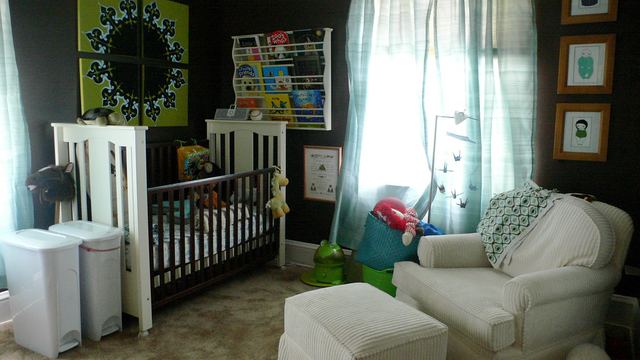
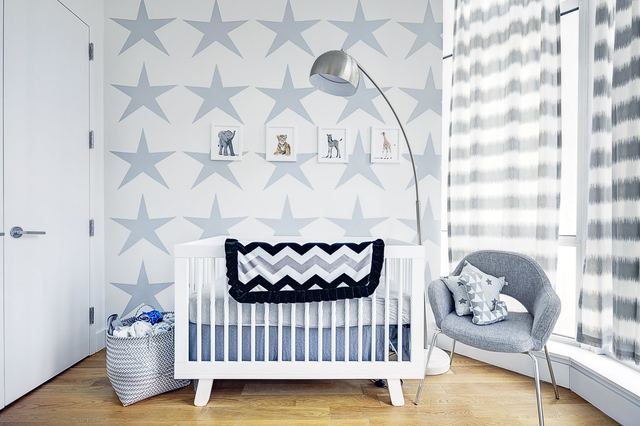
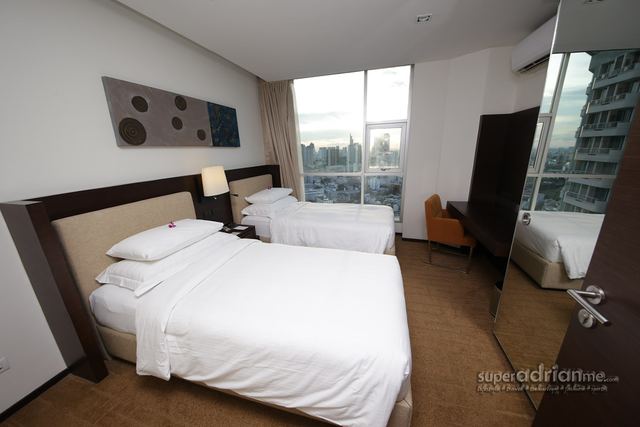
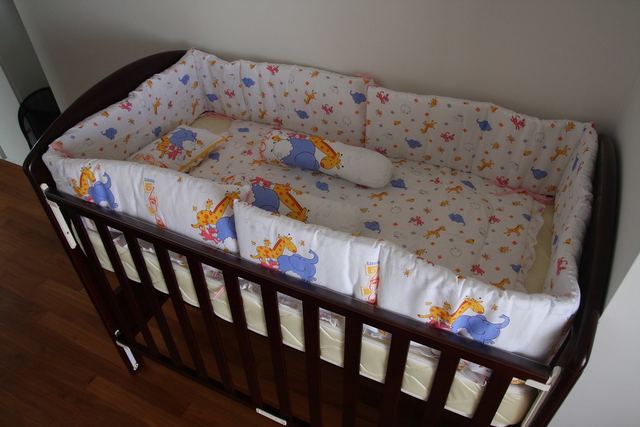


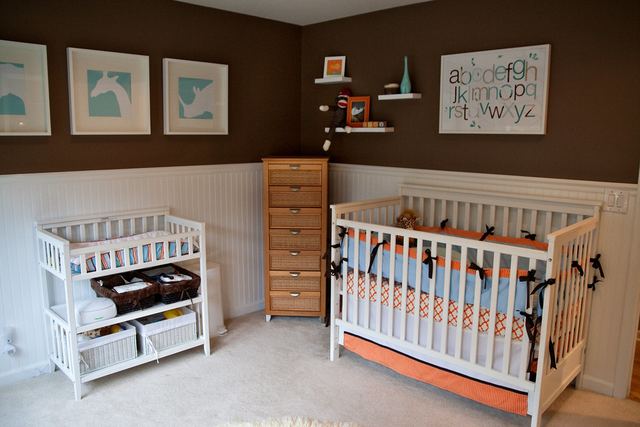
FAQ
How much does Postpartum care center stay, standard room (2 weeks) cost?
The reference price is ₩3,720,000 – ₩4,780,000 (per 2-week stay, standard room: national average ₩3.72 million across 460 centers (Ministry of Health and Welfare, second half of 2025) to Seoul private-center average ₩4.78 million (Seoul survey of 110 centers, 2024); individual standard rooms ranged up to ₩17 million). The facility's quote is final.
How much does Postpartum care center stay, special / premium room (2 weeks) cost?
The reference price is ₩5,430,000 – ₩50,400,000 (per 2-week stay, premium room: national average ₩5.43 million across 368 centers to the highest listed premium room at ₩50.4 million (Ministry of Health and Welfare data, second half of 2025)). The facility's quote is final.
How much does Seoul safe-type postpartum care center (public–private, 2 weeks) cost?
The reference price is ₩2,500,000 – ₩3,900,000 (per 2-week stay: standard fee ₩3.9 million, of which the city pays ₩1.4 million so a general-priority mother pays ₩2.5 million (lower shares for priority groups)). The facility's quote is final.
How much does Public postpartum care center (2 weeks) cost?
The reference price is ₩2,090,000 (per 2-week stay at Seoul's district-run public center in Songpa-gu, as reported in 2023 (may have changed)). The facility's quote is final.
Sources
- https://www.asiae.co.kr/en/article/2026031308050999125
- https://mediahub.seoul.go.kr/archives/2018214
- https://www.asiae.co.kr/en/article/2023082709403797471
- https://www.ansan.go.kr/snshealth/common/cntnts/selectContents.do?cntnts_id=C0001757
- https://www.lawtalk.co.kr/posts/174240
- https://m.easylaw.go.kr/MOB/NtcInfoRetrieve.laf?ntcSeq=705
- https://biz.newdaily.co.kr/site/data/html/2025/02/05/2025020500320.html
- https://www.koreatimes.co.kr/amp/southkorea/health/20240124/stricter-health-insurance-criteria-for-foreign-nationals-to-start-in-april
- https://sb.go.kr/en/contents.do?key=438
- https://koreatimes.co.kr/southkorea/law-crime/20260827/court-says-korea-must-allow-birth-registration-for-foreign-children-born-in-country
- https://elaw.klri.re.kr/eng_service/lawViewContent.do?hseq=48862
Articles

Egg freezing in Japan: costs, steps and the limits to know
Single women can freeze eggs in Japan — but how you can use them later matters more than how you freeze them. Published prices, steps and the rules in Japan and China, in one place.
Updated 2026-11-20 · 26 sources · 9 min read
Injections in Japan: vaccines, IV drips and regenerative medicine
The 9-valent HPV vaccine, high-dose vitamin C drips, stem cells — all are 'injections', but their legal status in Japan is very different.
Updated 2026-11-20 · 5 sources · 2 min read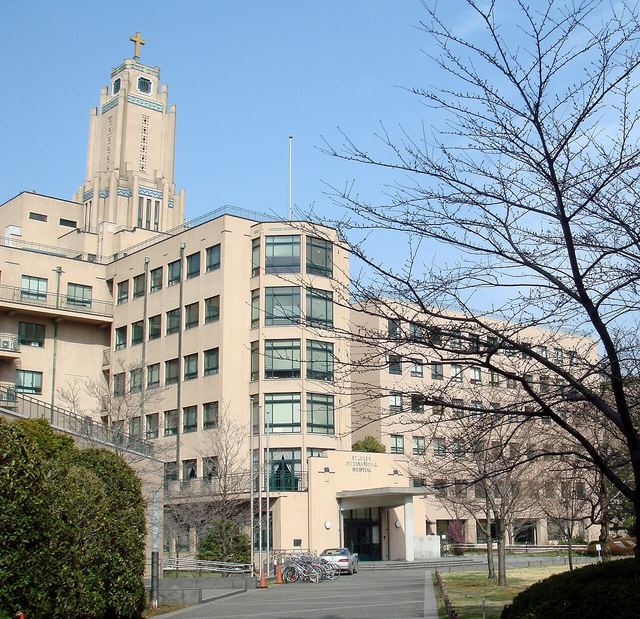
Ningen Dock and PET-CT: how health checkups in Japan work
From half-day packages to two-day premium courses: how to choose, what it costs, and what happens on the day.
Updated 2026-11-20 · 12 sources · 3 min read